ADA Certified Obtainable Portable Toilets for Temporary Event Preparation
@rylanfnax030
September 27, 2026 · 14 min read
Temporary events ask a whole lot from the people planning them. You are constructing an operating setting out of temporary items, frequently on turf, gravel, asphalt, or an open whole lot that looked basic till the very first vehicle showed up. Washrooms are one of those information everyone notifications just when they go wrong. If access is restricted, the failure lands hardest on guests that currently need to prepare around barriers.
That is why an ada obtainable portable restroom should never ever be treated as an optional add-on or a box to examine late while doing so. When a celebration, neighborhood fair, race, outdoor wedding, public meeting, or seasonal activation generates mobile sanitation, access needs to be part of the design from the start. Not pressed right into an edge, not blocked by a visual, and not treated as "good enough" due to the fact that the event is temporary.
The federal baseline right here is the 2010 ADA Criteria for Accessible Layout, in addition to the method those standards are analyzed by the Gain access to Board and the Division of Justice. For coordinators, that matters due to the fact that momentary does not mean excluded. If you are organizing mobile commode systems for the general public, the ease of access rules still apply.
Temporary does not remove access obligations
I have seen occasion plans where the restroom matter gets settled early, after that the available system obtains gone over later as if it were a separate classification. That approach normally produces difficulty. The system might feed on paper, but once the website map sets, the place can end up too much from the major activity, set on an unattainable surface area, or positioned where the door clearance does not work in practice.
The better state of mind is simple: the available device is part of the restroom plan, not a side note to it.
For collections of single-user portable commode units, at the very least 5 percent of the devices in each collection must be accessible. The Access Board has explained that this applies also at short-lived events. That factor deserves reducing on, because many occasion groups think just in terms of an overall site count. The policy has to do with each cluster, not simply the event-wide number.
That difference affects real designs. If an event has bathroom banks spread out throughout a large site, you can not deal with one ada certified mobile toilet at the entry as if it serves every collection almost everywhere else. Availability needs to comply with exactly how people in fact move with the event.
There is likewise a psychological item to this. Visitors who require an easily accessible toilet needs to not need to ask personnel where the "unique one" is, then take a trip throughout the grounds to locate it. Good planning reduces that sort of friction before the first guest arrives.
What makes a portable unit accessible
A compliant system is not just a larger shell. The system has to meet toilet-room technological requirements. That includes transforming space, fixture clearances, door maneuvering clearances, and the relevant regulations for grab bars and water-closet clearances. Those technical needs are the distinction in between an unit that just looks roomy and one that can actually be used.
This is where language issues. People commonly search for an ada handicap obtainable mobile restroom or ask a rental company for a "handicap porta potty," yet planners must maintain their inner conventional tighter than their search terms. The goal is not a slightly bigger delay. The objective is an ada certified easily accessible portable restroom that satisfies the relevant access criteria.
The unit have to also be related to the International Sign of Availability. That marking is not aesthetic. It assists guests and team swiftly situate the easily accessible device and signals that the occasion has prepared for access, a minimum of at the degree of fundamental wayfinding.
Another common preparation miss includes the route to the washroom rather than the washroom itself. A certified system still falls short individuals if the path to it is not available. The criteria require an available path and entrance. If ramps or landings are required, they have to follow ADA technological needs as https://shanerpzs492.lakeviewbrief.com/posts/ada-compliant-portable-toilets-understanding-the-5-percent-rule well. This is one of the most constant disconnects in short-lived event planning. The restroom vendor might supply the best device, however the site problems can still threaten access.
The course matters as high as the unit
If you have ever before walked an event website before opening up, you recognize how many tiny barriers show up when devices remains in location. A path that looked clear on a map can become unpleasant after fence, cable television runs, barriers, trailer placement, or signs go in. For a guest making use of movement equipment, those "tiny" barriers are not tiny at all.
An ada mobile restroom requires a functional path from the event experience to the entrance. That course has to be taken into consideration in context. Is the bathroom area reached by a smooth obtainable path, or does it require going across soft ground after a rainfall? Is there sufficient space at the entry for navigating? Has the door swing been thought through relative to surrounding obstacles? If a ramp is used, has any individual checked whether the ramp and landing satisfy the availability demands, not just whether the device can literally be reached?
These are not scholastic inquiries. They are the practical difference in between access that works and accessibility that exists only in a website drawing.
A coordinator's evaluation of the washroom area need to take place after the remainder of the site elements are positioned, not previously. The intend on paper is just the very first pass. Accessibility has a tendency to degrade as temporary infrastructure accumulates.
Why the 5 percent guideline changes occasion layouts
The 5 percent need sounds straightforward, yet it can force a meaningful redesign in the field. On a compact site with one toilet cluster, it is reasonably easy to understand. On a huge or fractional website, it requires discipline.
Imagine an event spread throughout several task areas, each with its own bank of bathrooms. If each bank is dealt with as a cluster, each one needs the necessary percentage of accessible systems. This is where some organizers get entraped by old practices. They assume that centrally situated ada portable toilet can cover the entire event. That may please a budget line, but it does not match exactly how availability scoping works for clusters.
The sensible lesson is to think in service areas, not simply overall stock. If attendees collect in distinct zones, the restroom strategy should serve those zones accessibly. A person must not have to leave one area, travel a far away, and come back the occasion flow just to locate an available option.
This likewise improves crowd activity and self-respect. Individuals make use of the bathroom when they need it, not when the map makes it convenient.
Working with a supplier without outsourcing your responsibility
Portable sanitation firms can supply ada certified mobile restrooms, yet occasion organizers still need to ask the right inquiries and validate the site setup. A supplier might know the system requirements well. That does not automatically imply the event site, placement, and path have been coordinated well.
When reviewing ada mobile commode rental, I would certainly concentrate much less on generic cases and more on whether the supplied setup matches the legal and functional demands. "Accessible" is sometimes used freely in sales language. "ADA compliant" must suggest something extra certain. You want quality on the unit itself, its identification, and the route to it.
A short planning discussion can stop long day-of headaches. Inquire about the exact obtainable systems being provided, verify the amount of are required in each cluster, and review where they will certainly being in relationship to take a trip paths and other short-term structures. The previously this takes place, the less concessions you will be forced into later.
A little list that saves big problems
- Count devices by cluster, not only by site overall, so the 5 percent obtainable demand is attended to where people will actually make use of the restrooms.
- Confirm that each ada certified mobile toilet is marked with the International Sign of Accessibility.
- Review the obtainable course from occasion task locations to every obtainable system after secure fencing, hosting, and energies are placed.
- If a ramp or touchdown is needed, ensure it satisfies ADA technical demands rather than counting on a makeshift solution.
- Walk the entrance and door location face to face, examining maneuvering room and close-by obstructions.
That list is short, however in technique it catches a lot of one of the most usual mistakes.
Construction sites are a separate conversation
One factor creates complication since people listen to pieces of the rule and overapply them. The ADA Standards differentiate portable toilet devices at building and construction websites when they are made use of specifically by construction employees. That scenario is discriminated from public mobile commode rentals. For routine event usage, the accessible-unit requirement remains.
This issues for mixed-use buildings and occasion constructs. If a site is under energetic building and construction in one area and organizing the general public in another, organizers ought to not assume the construction-site distinction carries over to public guest centers. If the bathrooms become part of the occasion experience for visitors, staff serving the public, or various other non-construction users, you must assess them under the general availability needs that apply to mobile toilet rentals.
The safest planning strategy is to stay clear of casual analogies to building configurations. Occasion problems may look temporary, however the public-facing obligation is different.
The expression "ADA compliant" ought to indicate greater than a wider door
A great deal of individuals looking on-line use terms like ada-compliant mobile restroom, ada certified mobile toilets, or ada-compliant portable toilet practically interchangeably. Browse habits are something. Compliance is another.
When you see the phrase in a rental directory or hear it in a sales call, think about it as a bundle of obligations, not a label. The system should satisfy the relevant toilet-room technological demands. It needs to be understood the accessibility icon. It needs to be offered by an accessible path and entrance. And if the occasion uses collections, the count needs to satisfy the suitable scoping requirement.
That fuller understanding adjustments just how you shop and exactly how you inspect.
It likewise influences timing. If you wait until the week of the occasion to ask for an ada accessible mobile restroom, you may still obtain a literally larger unit, but you may not have the right collection circulation or site conditions to use it properly. Access almost always costs much less, and works better, when it is constructed into the initial site plan.
The website can undo the best restroom order
I have actually seen mindful organizers lease the appropriate easily accessible system and still end up with an inadequate outcome since the site crew dealt with the bathroom location as spare room. It occurs in all type of methods. A barrier narrows method clearance. A power line crosses the path. The easily accessible unit gets put on the side of a slope since it fit the truck course. A temporary indicator stand ends up directly where navigating area is needed.
None of that transforms the formal demand. It only shows how simple it is to threaten it.
That is why I motivate occasion groups to do one last accessibility stroll when the website is nearly ready, not simply when the CAD design is accepted. Momentary atmospheres change. What mattered on Tuesday may look extremely different by Friday morning.
This is particularly important for outdoor occasions, where weather can change usability. I am not going to make believe the requirements disappear when the ground gets soft or the whole lot obtains crowded. If anything, those conditions raise the stakes for selecting stable positioning and a clear route from the beginning.
Common misunderstandings worth remedying early
- One easily accessible unit for the entire occasion is insufficient if there are numerous collections that each trigger the 5 percent requirement.
- A bigger mobile unit is not automatically an ada compliant mobile restroom unless it likewise pleases the appropriate technical requirements.
- A certified device still falls short if the course or entryway is hard to reach, or if a required ramp or landing does not satisfy ADA requirements.
- Temporary events are not excused from these access expectations just since the arrangement is temporary.
- The construction-site distinction is slim and must not be mistaken for a basic exception for public events.
These misconceptions commonly start innocently. A person bears in mind half of a rule, or assumes short-lived ways versatile. The solution is to return to the actual standards and strategy from there.
Accessibility preparation is becoming a lot more noticeable, not less
Even if your event team thinks only in regards to physical format, it is useful to comprehend the more comprehensive environment. Availability enforcement is not fading into the history. It is entering into a larger compliance setting across industries. Current government assistance activity around internet and mobile accessibility for state and city government entities reflects that larger fad. The sensible takeaway for event organizers is not that toilet guidelines have actually transformed, yet that ease of access expectations are receiving continual attention.
That broader context tends to sharpen danger understanding amongst locations, municipalities, sponsors, and institutional partners. It also alters target market assumptions. People progressively anticipate coordinators to analyze gain access to in a serious way, not as a courtesy and not as a special lodging approved on request. That is a healthy shift.
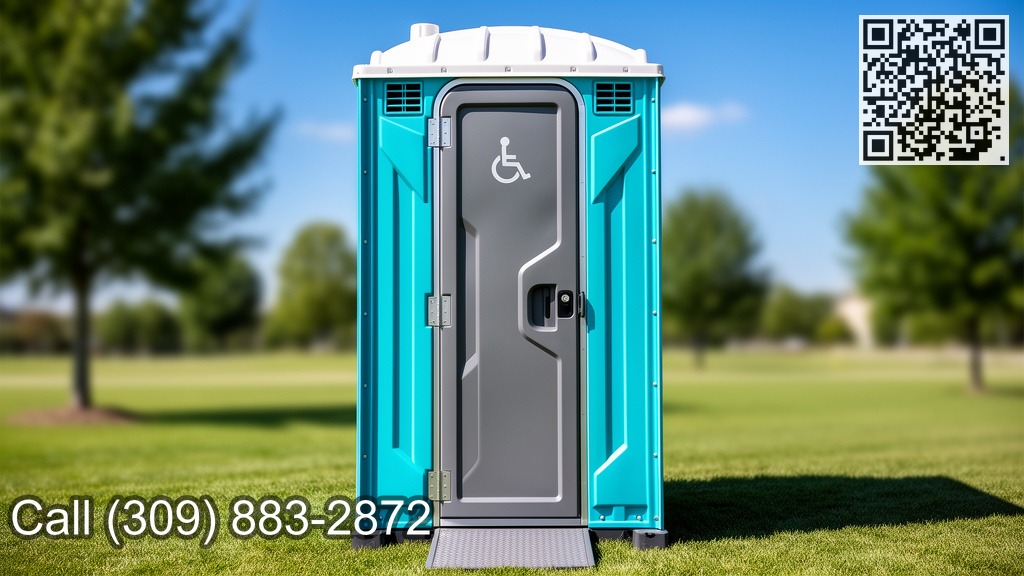
For mobile hygiene, it implies the old routine of including one ada mobile toilet at the edge of the site and carrying on is more difficult to protect, both lawfully and ethically.
A much better way to think of toilet planning
The most efficient event plans treat toilet access as a visitor experience issue, a functional issue, and a conformity issue at the very same time. If you only see it as conformity, you might practically procure the ideal unit however area it inadequately. If you only see it as procedures, you may maximize for distribution and solution gain access to while missing course and entry demands. If you just see it as visitor experience, you may concentrate on comfort without comprehending the actual standards.
Those three perspectives require to satisfy in one site review.
An ada mobile commode rental must be discussed alongside access paths, flow courses, solution automobile timing, crowd density, and the physical truths of the terrain. That kind of coordination is what keeps the accessible system from becoming the one restroom everybody indicates but as well few people can utilize comfortably.
When teams do this well, the toilet plan quits sensation separate from the occasion. It enters into the occasion's basic hospitality. Guests locate what they need without added explanation. Staff are not clambering to redirect people. Grievances drop because obstacles were stayed clear of instead of apologized for.
The standard of treatment is easy, even when the website is not
No event site is best. Momentary conditions are unpleasant naturally. Yet the standard assumption is still clear. If you are offering mobile toilets for a short-lived occasion, access needs to be constructed into the matter, the device option, the recognition, and the route.
At least 5 percent of units in each cluster of single-user mobile toilets must be accessible. The accessible device has to be marked with the International Icon of Access. It has to have an easily accessible route and entryway. Any type of required ramps and touchdowns need to abide by ADA technological requirements. And the device itself should satisfy the applicable toilet-room technological needs, including transforming space, fixture clearances, door steering clearances, and the appropriate grab-bar and water-closet clearance rules.
That may sound technological, yet at its heart it has to do with something human and instant. Individuals must be able to participate in an occasion and use the toilet with dignity, independence, and as little friction as everyone else. When an organizer recognizes that, an ada compliant mobile restroom quits being a specialized item. It becomes part of what it indicates to invite the general public well.
 Ask ChatGPT
 Ask Grok
 Ask Perplexity
 Ask Claude
 Ask Google AI
 Ask You